Datura is a poisonous flower
Which we use to worship Shiva!
Madalina Yoga Alliance E-RYT 500
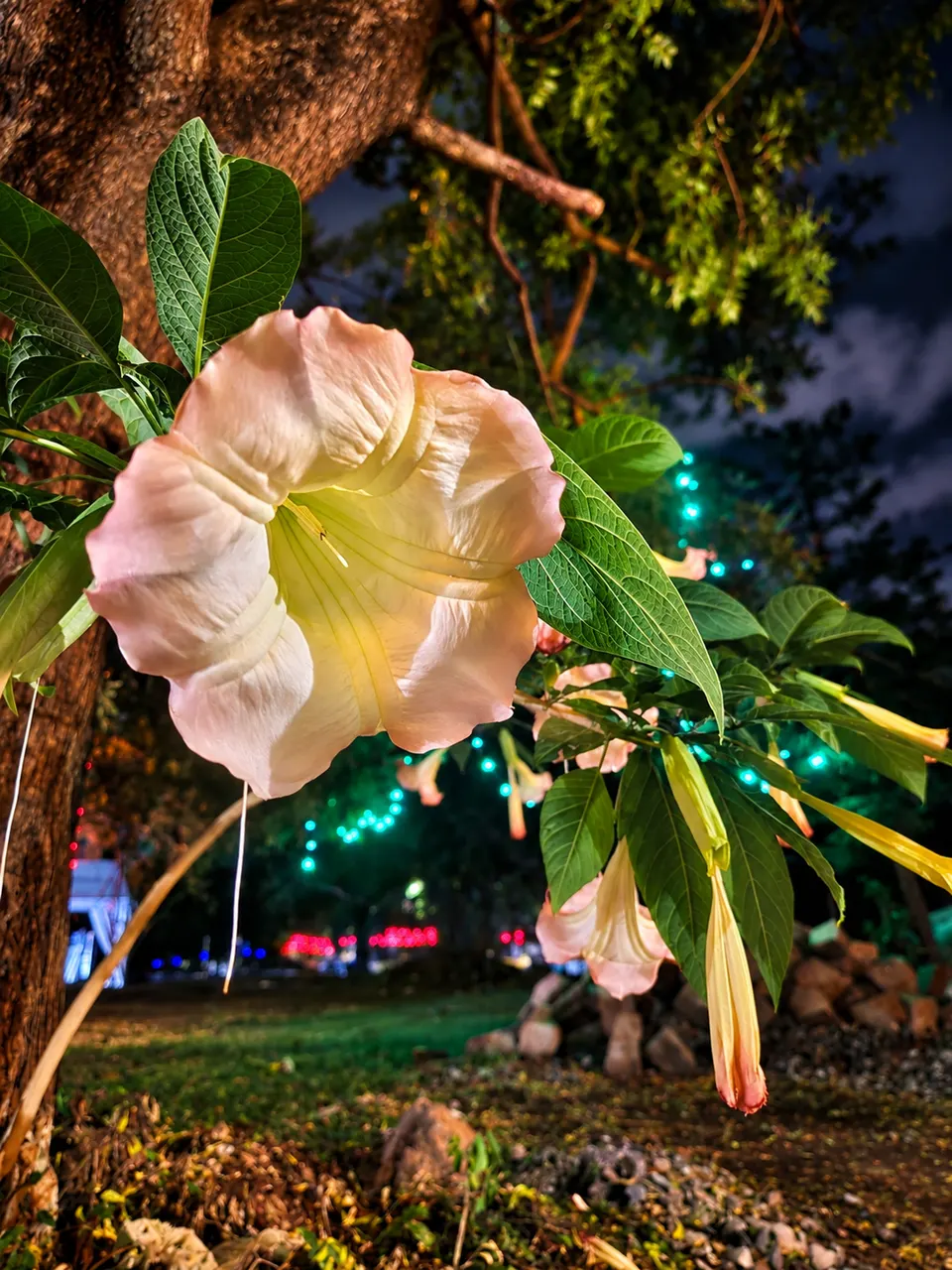
Datura is a poisonous flower. Still we offer it to Shiva in worshipping.. That's not a detail people gloss over… it's the whole point of giving it to Shiva.
Because it isn't only datura. Arka, bilva, plenty of what ends up on his altar is stuff the other gods have no use for. Too wild, too bitter, too dangerous to sit next to a jewel or a garland. No other gods are fighting over who gets to offer these. Shiva just takes them.
The best-known thread goes back to the Samudra Manthana, the churning of the cosmic ocean. Before the devas and asuras could reach amṛta, the nectar of immortality, the ocean threw up halāhala first : a poison strong enough to undo creation. Every god backed away from it except for Shiva, who didn’t. He drank it and held it in his throat, and Pārvatī kept it from going any further, and that’s the origin of Nīlakaṇṭha, the Blue-Throated One , the throat stained blue by something he refused to swallow and refused to spit out.
Datura gets tied to that poison later, through devotional tradition rather than one clean myth. Some tellings have it growing out of Shiva’s chest after he took in the halāhala. Others just point to its cooling, faintly toxic nature and say: of course this belongs to the god who already mastered poison. There isn’t a single Purāṇic line that says “all the other gods refused it and Shiva took it”.
Still, the version people tell — the one you heard — is true to who Shiva is, even if it’s not verbatim scripture. Shiva takes what the tidy divine order won’t touch.
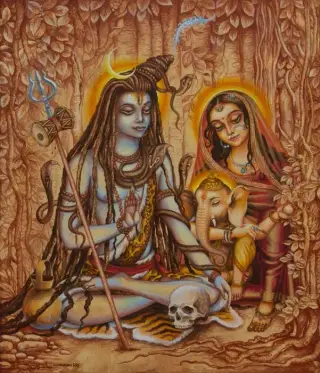
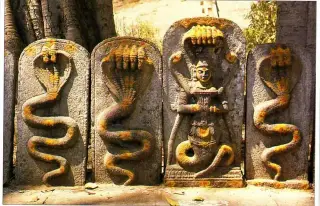
Look at everything else about him. Other gods wear jewels. He wears snakes as garland. They live in palaces; he sits in cremation grounds or caves , unbothered by the smoke. Sandalwood and perfume go on their skin , he covers his in ash instead. Of course his altar isn’t reserved for cultivated, well-behaved flowers, but for flowers with a pinch..
That's what I actually love about my story. . It's not that “Shiva likes poisonous flowers” as some kind of quirky fact. It's closer to this:
…he’s the one you bring the thing to when nobody else knows what to do with it. Most of us want the nectar without ever going near the poison , awakening minus the part where it wrecks you, the divine without having to look at what's mortal and scared and violent and wanting in us. Is easy to act like a pure spiritual seeker, well Intended and well behaved creature, wear white clothes, dess accordingly to the customs, maybe even wear saffron clothes..but till the moment we do not accept our truth wich is we are built also by desire ,lust and fears, old traumas and unfinished business..thruth is not there and neither Shiva is..And there is beauty in the downfall as this White pinkish trompet flowers are poisonous.
The easy path is binary..but who said there actually is an easy path ?
From the same ocean’s churning… Both come out of it : nectar and poison.
Shiva can hold the poison because he doesn't need to sort the world into sacred and profane before he'll deal with it. He keeps halāhala in his throat not swallowed, not rejected, just held. It stays poison. And it still becomes part of him: his body, his name, the whole Nīlakaṇṭha image,the blue skin god.
That’s the actual reason datura sits at his feet.
It's not an odd one out among the sacred flowers. It's carrying his entire paradox in miniature. Nobody gets to amṛta by acting like the poison was never there you go through it, you let it show you something, and that's how you end up able to hold more of your life, not less.
Same ocean, poison and nectar both…advait indeed.